Blog

  • What Does Kangaroo Taste Like? A Guide To The Unique Flavors Of Kangaroo Meat

    What Does Kangaroo Taste Like? A Guide To The Unique Flavors Of Kangaroo Meat

    Kangaroo meat has been part of the Australian diet for thousands of years, but for many people outside of Australia, it may sound like a curious or even exotic option. If you’ve ever wondered, “What does kangaroo taste like?” you’re not alone! Many people are intrigued by the thought of trying this lean and wild game meat. In this blog, we’ll explore the flavor profile of kangaroo meat, how it’s cooked, and what makes it different from more common meats like beef or chicken.

    What Is Kangaroo Meat?

    Before diving into its taste, it’s important to know a bit about kangaroo meat itself. In Australia, kangaroo meat is a sustainable option. The kangaroos roam freely in the wild, and the meat is harvested from these wild populations. This makes it an environmentally friendly and ethically sourced protein.

    Kangaroo meat is incredibly lean. It’s low in fat and high in protein, making it a healthy choice for those looking for a nutritious alternative to beef, lamb, or pork. It’s also rich in iron and omega-3 fatty acids.

    What Does Kangaroo Meat Taste Like?

    Now, onto the most important question: what does kangaroo meat actually taste like? Kangaroo meat has a unique flavor that sets it apart from other meats. Some people compare it to beef or venison, but there are differences that make it special.

    1. Gamey Flavor: Kangaroo meat has a distinct gamey flavor. This means it has a richer, more intense taste than common meats like beef or chicken. The gamey taste comes from the fact that kangaroos live in the wild and feed on natural vegetation, giving the meat an earthier flavor.
    2. Leaner and Slightly Sweet: Because kangaroo meat is very lean, it lacks the fattiness that you find in beef or pork. This leanness can make the meat taste slightly sweeter and lighter, without the greasy mouthfeel that comes with fattier meats.
    3. Tender but Firm: Kangaroo meat is usually tender, but it has a firm texture. This makes it a good option for grilling, pan-frying, or even stewing. The key is to avoid overcooking it, as the low fat content can make it dry if cooked for too long.
    4. Comparable to Venison or Grass-Fed Beef: Many people who have tasted kangaroo meat say it’s similar to venison or grass-fed beef. Both of these meats also have a lean, gamey flavor. If you like venison, you’ll probably enjoy kangaroo meat.

    How Is Kangaroo Meat Cooked?

    Kangaroo meat is versatile and can be prepared in various ways. However, because it’s lean, it needs to be cooked carefully to avoid drying out.

    1. Grilling: One of the most popular ways to cook kangaroo meat is on the grill. It’s perfect for a quick cook over high heat. Steaks and fillets can be grilled just like beef, but it’s essential to keep an eye on the cooking time. Medium-rare to medium is the recommended doneness for kangaroo to maintain its tenderness and juiciness.
    2. Pan-Frying: Kangaroo fillets or steaks can also be pan-fried with a little oil. Again, it’s important not to overcook it. A hot pan, a little seasoning, and a few minutes on each side will bring out the best in the meat.
    3. Slow Cooking: If you want to make a stew or curry, kangaroo meat can be slow-cooked. When slow-cooked with vegetables, herbs, and spices, the meat absorbs the flavors and becomes tender, despite its leanness.
    4. Ground Kangaroo: You can also find ground kangaroo meat, which can be used in burgers, meatballs, or tacos. When making kangaroo burgers, it’s a good idea to add a bit of fat or moisture to the mix, as the meat is naturally lean.

    Health Benefits Of Kangaroo Meat

    As mentioned earlier, kangaroo meat is a healthy option. Here are some of the reasons why it’s worth trying if you’re looking for a nutritious and low-fat meat option:

    1. Low in Fat: Kangaroo meat is one of the leanest meats available, with only about 2% fat. This makes it a great choice for people who are watching their fat intake or trying to maintain a balanced diet.
    2. High in Protein: It’s packed with protein, which is essential for muscle repair and overall body function. With about 23 grams of protein per 100 grams of meat, it’s a fantastic source for athletes and those looking to up their protein intake.
    3. Rich in Iron: Kangaroo meat is also high in iron, an essential mineral that helps keep your energy levels up and supports your immune system. This makes it an excellent choice for people with low iron levels or those looking to add more iron to their diet.
    4. Omega-3 Fatty Acids: Despite being low in fat, kangaroo meat contains a good amount of omega-3 fatty acids, which are known for their heart-health benefits. These fatty acids help reduce inflammation and improve overall cardiovascular health.

    Ethical And Environmental Benefits

    Kangaroo meat is not just a healthy option—it’s also one of the most environmentally friendly meats available. Here’s why:

    1. Sustainable Hunting: Unlike farmed meats, kangaroos are wild animals. This means they don’t require land clearing, water, or grain to raise. Kangaroos are hunted in a sustainable way, which helps maintain a balanced ecosystem.
    2. No Need for Factory Farms: Because kangaroo meat is harvested from wild populations, there’s no need for factory farming. This reduces the environmental impact associated with raising livestock, such as methane emissions, water use, and land degradation.
    3. No Antibiotics or Hormones: Since kangaroos are wild, they’re not treated with antibiotics or hormones, making the meat a more natural option compared to some farm-raised meats.

    Where Can You Find Kangaroo Meat?

    If you’re outside of Australia, finding kangaroo meat might be a bit of a challenge. However, it’s becoming more available in specialty grocery stores and online retailers around the world. In Australia, it’s readily available in supermarkets and butcher shops, making it a common part of the Australian diet.

    Conclusion

    Kangaroo meat is a unique, lean, and healthy option that’s worth trying if you’re looking for something new. Its gamey flavor, low fat content, and high nutritional value make it a great alternative to more common meats like beef or lamb. Whether grilled, pan-fried, or slow-cooked, kangaroo meat offers a distinctive and delicious experience.


  • What Are Arch Pics? Exploring The Trend Of Feet Photography

    What Are Arch Pics? Exploring The Trend Of Feet Photography

    In today’s world, photography has taken on many different forms, and one niche that has gained attention is “arch pics.” This term refers to photographs of the arches of feet, a specific part of the foot that has become popular in certain online communities. While it may sound surprising, feet photography, particularly arch pics, has a dedicated audience. This blog will explore what arch pics are, why they are popular, and how they are used across different platforms.

    What Are Arch Pics?

    Simply put, arch pics are photographs that highlight the arch of the foot. The arch is the curved area between the ball and the heel of the foot. For some, this part of the foot is aesthetically pleasing, and for others, it holds cultural or symbolic significance. The rise of social media and digital photography has brought attention to this niche interest, where people share, buy, or trade photos of foot arches.

    Why Are Arch Pics Popular?

    There are several reasons why arch pics have become popular:

    1. Aesthetic Appeal: Some people find the structure and shape of the foot arch attractive. Like hands, eyes, or faces, feet can be seen as an art form. Many individuals appreciate the natural curves and lines of the arch, making it a subject of interest for photography. For those who are passionate about anatomy or body aesthetics, arch pics provide a unique perspective.
    2. Foot Fetish Communities: It’s no secret that feet have been considered a fascination for centuries in different cultures. Arch pics cater to people who are interested in foot fetishes, where the arch of the foot is often a key focal point. Foot fetishism is one of the most common fetishes globally, and arch pics play into that desire by offering close-ups or detailed images of this specific area.
    3. Creative Expression: For photographers, feet (and especially arches) offer a creative challenge. The arch is a naturally curved part of the body, and playing with light, shadows, angles, and compositions can result in beautiful and artistic photos. Many photographers explore this niche because it provides an opportunity to develop unique perspectives.
    4. Foot Care and Health: Outside of aesthetic or fetish interest, arch pics are also used in health and wellness contexts. Many podiatrists, physical therapists, and footwear brands use arch pics to demonstrate foot care, arch support, and the importance of having healthy arches. Photos can show the differences between high, medium, or low arches, making them valuable for educational or medical purposes.

    Where Are Arch Pics Shared?

    Arch pics are commonly found on social media, content-sharing platforms, and dedicated websites that focus on photography or fetish communities. Here are some of the places you might encounter arch pics:

    1. Instagram and Pinterest: On mainstream platforms like Instagram and Pinterest, arch pics are often tagged with keywords like #feetpics or #footarches. While these platforms may have guidelines regarding adult content, many users post photos of feet for artistic or personal reasons. Pinterest, in particular, may feature arch pics related to health and wellness, as well as foot care tips.
    2. OnlyFans and Similar Platforms: For users who are more focused on fetish content, platforms like OnlyFans offer a space where creators can monetize their arch pics. Many individuals create subscription-based profiles to share feet photography with fans who have a specific interest in arches.
    3. Reddit and Forums: Reddit hosts several forums (also called subreddits) dedicated to foot photography. These online communities provide a space for people to share arch pics, discuss their preferences, and engage in foot-related conversations. Some of the subreddits are dedicated purely to fetish content, while others focus on the artistic or medical aspects of foot arches.
    4. Stock Photography Websites: For commercial and professional use, arch pics can be found on stock photography websites. These images are used by health professionals, businesses, and designers who need images of feet, particularly for medical or fitness-related purposes. Footwear brands, for example, might use arch pics to promote products that offer arch support.

    Ethical Considerations Of Arch Pics

    While arch pics may seem like an innocent form of photography, there are ethical considerations that should be taken into account:

    1. Consent and Boundaries: Like any form of photography, it’s important to respect boundaries. If you’re interested in taking or sharing arch pics, make sure that consent is given by all parties involved. If the pictures are being sold or shared in online communities, it’s essential to follow the platform’s guidelines and protect the privacy of the people in the photos.
    2. Avoiding Exploitation: With the rise of platforms like OnlyFans, many individuals are monetizing their arch pics. While this can be empowering, it’s crucial to ensure that people aren’t being pressured into sharing images that make them uncomfortable. Consent and personal choice should always be at the forefront.
    3. Online Safety: The internet is filled with all kinds of content, and unfortunately, not all of it is safe. If you’re posting arch pics online, be aware of potential risks, such as image theft or harassment. Consider watermarking your photos or using platforms with strong privacy settings to protect your content.

    How To Take Good Arch Pics

    If you’re curious about taking arch pics, whether for artistic, medical, or personal reasons, here are some tips:

    1. Use Good Lighting: Lighting can make or break any photograph. Natural light is often the best for showing the details of the arch. Try to take pictures near a window or outdoors for the best results.
    2. Play With Angles: The arch is a curved part of the foot, so different angles can provide interesting perspectives. Experiment with shooting from different sides or getting close-up shots to highlight the curve of the arch.
    3. Focus on Composition: Like any type of photography, the background and setting of your arch pic matter. A simple, clean background can help the arch stand out, while creative settings can add an artistic touch.
    4. Keep Feet Healthy: If you’re taking arch pics, maintaining foot hygiene is important. Moisturize your feet, trim your nails, and keep your feet clean to make them look their best in photos.

    Conclusion

    Arch pics are an intriguing niche in the world of photography, with a variety of uses ranging from artistic expression to medical education. Whether you’re curious about exploring this trend for personal reasons or professional purposes, it’s essential to understand the context in which these photos are taken and shared. As long as ethical guidelines are followed and personal boundaries are respected, arch pics can be an exciting and creative outlet for many.

  • What To Do After High School: Your Ultimate Guide To The Next Steps

    What To Do After High School: Your Ultimate Guide To The Next Steps

    Graduating from high school is a major milestone, and it’s a time filled with excitement and uncertainty. If you’re wondering what to do after high school, you’re not alone. Many students feel overwhelmed by the endless possibilities and decisions ahead. Don’t worry—this guide will help you navigate the next steps, whether you’re heading to college, starting a job, or exploring other options.

    Consider Higher Education

    One of the most common paths after high school is continuing your education. This can take various forms:

    • College or University: Pursuing a degree at a college or university is a popular choice. It can open doors to many career opportunities and provide a deeper understanding of your field of interest. Think about what subjects you enjoy and research programs that align with your passions.
    • Community College: If you’re not ready for a four-year university, community college can be a great option. It’s often more affordable and offers a range of programs that can lead to a degree or a transfer to a four-year school.
    • Trade Schools: For those interested in specific skills or careers, trade schools offer specialized training in fields like automotive repair, culinary arts, or cosmetology. This can be a quicker path to starting a career.
    • Online Courses and Certifications: If traditional schooling isn’t for you, online courses and certifications can provide flexible learning opportunities in various fields. Platforms like Coursera, Udemy, and LinkedIn Learning offer courses that can enhance your skills and qualifications.

    Start Working

    If jumping into the workforce appeals to you, there are several options to consider:

    • Full-Time Jobs: Entering the job market right after high school can give you valuable experience and financial independence. Look for entry-level positions in industries that interest you. Remember, many successful careers start with humble beginnings.
    • Part-Time Jobs: If you’re not ready for full-time work or want to explore other options, part-time jobs can help you gain experience while leaving time for other pursuits. This could also be a way to save money for future educational endeavors.
    • Internships and Apprenticeships: These opportunities provide hands-on experience and can often lead to full-time positions. They are excellent for building your resume and networking in your chosen industry.

    Take A Gap Year

    A gap year is a break from formal education or work to explore other interests. It’s a great way to gain life experience, travel, or volunteer. Here are some ideas:

    • Travel: Experiencing new cultures and environments can be enriching. Whether you explore a different country or travel locally, it’s a chance to broaden your horizons.
    • Volunteering: Volunteering can be both fulfilling and educational. Consider working with local charities, international organizations, or community projects. It’s a great way to give back while learning new skills.
    • Personal Projects: Use this time to pursue personal passions or projects. Whether it’s starting a blog, learning a new skill, or working on a creative project, a gap year can be a time for self-discovery.

    Explore Entrepreneurship

    If you’ve always dreamed of starting your own business, high school graduation is a perfect time to dive in. Here’s how you can get started:

    • Business Idea: Start by brainstorming business ideas that match your interests and skills. Research your market and create a business plan.
    • Funding: Explore ways to fund your startup, such as savings, loans, or crowdfunding. There are also various grants and programs for young entrepreneurs.
    • Networking: Connect with other entrepreneurs and mentors who can offer guidance and support. Attend networking events, join business groups, and seek advice from those with experience.

    Join The Military

    For some, joining the military is a way to serve the country and gain valuable skills. The military offers various career paths, training programs, and educational benefits. It’s essential to research the different branches and understand the commitment involved before making this decision.

    Consider Moving Out

    If you’re feeling ready for independence, moving out on your own can be a significant step. It requires careful planning and budgeting. Here’s what to keep in mind:

    • Budgeting: Learn how to manage your finances, including rent, utilities, groceries, and other expenses. Create a budget to ensure you’re prepared for the financial responsibilities of living independently.
    • Finding Housing: Research different housing options, such as renting an apartment or sharing a house with roommates. Consider factors like location, cost, and amenities.
    • Life Skills: Make sure you have essential life skills, such as cooking, cleaning, and managing your time. These skills will help you adjust to living on your own.

    Seek Guidance And Support

    Making decisions about your future can be challenging, so don’t hesitate to seek advice from trusted sources:

    • Family and Friends: Talk to your family and friends about your plans. They can provide support, encouragement, and valuable insights.
    • School Counselors: Your high school counselors are a great resource for exploring options, applying to colleges, or finding job opportunities.
    • Mentors: Connect with mentors in your field of interest. They can offer guidance, share their experiences, and help you make informed decisions.

    Conclusion

    Deciding what to do after high school can be daunting, but it’s also an exciting opportunity to shape your future. Whether you choose to pursue higher education, start working, travel, or explore other options, remember that this is your journey. Take the time to explore your interests, set goals, and make choices that align with your passions and aspirations. Your future is full of possibilities, and the decisions you make now can set the stage for a fulfilling and successful life.

  • What Does “I Rebuke You In The Name Of Jesus” Mean?

    What Does “I Rebuke You In The Name Of Jesus” Mean?

    When you hear the phrase “I rebuke you in the name of Jesus,” it might sound powerful and intense. This phrase is often used in religious contexts, particularly within Christianity. To fully understand its meaning, we need to break it down and explore its components.

    What Is A Rebuke?

    To rebuke someone means to express sharp disapproval or criticism. It is a strong correction meant to address inappropriate behaviour or beliefs. In a spiritual or religious context, rebuking often involves confronting or rejecting hostile forces, behaviours, or influences.

    The Power Of Jesus’ Name

    In Christianity, Jesus’ name holds significant power. Christians believe that invoking Jesus’ name can bring about divine intervention or protection. This belief is based on various passages in the Bible where Jesus’ name is shown to have authority and power over evil and adverse situations.

    Biblical Background

    The phrase “I rebuke you in the name of Jesus” is rooted in the Bible. Several passages suggest that Jesus’ name has authority over evil spirits and forces. For instance, in the New Testament, Jesus himself used his name to cast out demons and heal the sick.

    One notable example is found in the Book of Acts. In Acts 16:18, the Apostle Paul rebukes a spirit of divination in a slave girl, saying, “I command you in the name of Jesus Christ to come out of her!” The spirit leaves her immediately, showing the power of invoking Jesus’ name.

    The Role Of Faith

    Using the phrase “I rebuke you in the name of Jesus” often involves a deep sense of faith. It’s not just about using the words but also about believing in the authority and power that Jesus’ name represents. For many Christians, this phrase is an expression of their faith and trust in Jesus’ ability to overcome obstacles and challenges.

    How Is It Used?

    1. In Spiritual Warfare: Many Christians use this phrase during prayer or spiritual warfare to confront and reject negative influences or spiritual attacks. They believe that using Jesus’ name in this way can help them overcome personal or spiritual challenges.
    2. In Everyday Life: Beyond spiritual warfare, some Christians use the phrase to deal with everyday struggles, seeking Jesus’ help to guide them through difficulties or to correct situations they believe are wrong.
    3. In Church Services: During church services, pastors and religious leaders might use this phrase to address and reject any negative or evil influences that might be present.

    Misunderstandings And Cautions

    While the phrase can be powerful, it’s essential to use it with understanding and respect. It’s not a magical formula but a declaration of faith. Misusing it or treating it lightly can lead to misunderstandings or unintended consequences.

    It’s also worth noting that different Christian denominations may interpret and use the phrase differently. Some might emphasise the authority of Jesus’ name more strongly, while others may focus more on the personal relationship with Jesus rather than the exact wording.

    Practical Examples

    1. Personal Challenges: Imagine you’re facing a difficult situation at work where you feel undermined or attacked. You might pray, asking Jesus to help you handle the situation with grace and strength. Some might also say, “I rebuke you in the name of Jesus”, as a way to assert their belief that Jesus’ authority can bring resolution.
    2. Spiritual Guidance: If someone feels that negative thoughts or emotions are influencing them, they might use the phrase as a way to reject those negative influences and seek guidance and clarity from Jesus.
    3. Community Support: In a church setting, a pastor might use the phrase to pray against any spiritual disturbances and to encourage the congregation to focus on the positive and uplifting aspects of their faith.

    Conclusion

    The phrase “I rebuke you in the name of Jesus” carries significant meaning for many Christians. It represents a powerful declaration of faith and a call for divine intervention. Understanding its roots in the Bible and its use in spiritual practice can help clarify its role in modern Christian life. Whether used in personal prayer, church services, or spiritual warfare, it reflects a deep belief in the authority and power of Jesus’ name.

  • What Questions Does A Judge Ask During A Preliminary Hearing?

    What Questions Does A Judge Ask During A Preliminary Hearing?

    When someone is charged with a crime, a preliminary hearing is one of the first steps in the legal process. This hearing helps determine whether there is enough evidence for the case to proceed to trial. If you’re unfamiliar with legal proceedings, you may wonder what happens during this stage. Specifically, you might ask, What questions does a judge ask during a preliminary hearing?

    In this blog, we will explore the types of questions a judge might ask, the role of the hearing, and what each party involved can expect. The goal is to explain these aspects in simple, easy-to-understand language so that you can feel more informed about the process.

    Understanding The Preliminary Hearing

    Before diving into the questions, it’s essential to understand the purpose of a preliminary hearing. This hearing is not the same as a trial. Instead, it is a pre-trial procedure used in many legal systems, particularly in the United States. During this stage, the judge decides if there’s enough evidence for the case to move forward to a full trial. It’s a way to ensure that a person isn’t brought to trial without sufficient grounds.

    The judge’s role is crucial in this phase, as they make the decision based on the information provided by both the prosecution and the defence.

    The Judge’s Role In A Preliminary Hearing

    At a preliminary hearing, the judge is like a gatekeeper. They listen to the arguments presented by the prosecution and defence, review evidence, and ask specific questions to clarify details. However, the judge does not determine whether the defendant is guilty or innocent. The key question they are focused on is whether “probable cause” exists. This means that there must be enough evidence to believe that a crime was committed and that the defendant might have committed it.

    What Types Of Questions Does The Judge Ask?

    Now, let’s look at the kinds of questions a judge might ask during a preliminary hearing.

    Questions About Probable Cause

    The main objective of the judge in a preliminary hearing is to determine whether probable cause exists. To assess this, the judge may ask:

    • What evidence does the prosecution have to suggest a crime was committed? The prosecution must present their case, showing why they believe the defendant committed the crime. The judge may ask for an explanation or breakdown of the evidence.
    • How does this evidence link the defendant to the crime? It’s not enough to show that a crime occurred—the prosecution must connect the defendant to that crime. The judge will question how strong this connection is, especially if the evidence seems weak or circumstantial.

    Questions About the Evidence Presented

    The judge might also ask specific questions about the type and quality of the evidence. This is crucial because not all evidence is considered equally strong in court. Here are some common questions:

    • Is the evidence reliable? For example, if the prosecution is presenting a witness testimony, the judge may ask questions about the credibility of that witness. Can the witness be trusted? Were they in a position to see or hear the crime clearly?
    • Are there any legal issues with the evidence? Sometimes, the way evidence is collected can impact its validity. If evidence was gathered without a proper search warrant or if the defendant’s rights were violated during the process, the judge may ask questions about how the evidence was obtained.
    • Has the defence challenged any evidence? The defence has the right to question or challenge the prosecution’s evidence. If they raise concerns, the judge may ask questions to clarify whether the defence’s objections are valid.

    Questions About Witnesses

    Witnesses can play a significant role in the preliminary hearing. The judge may ask the following questions to both the prosecution and defence regarding witnesses:

    • Who are the key witnesses, and what do they know? The judge may want to know what each witness saw, heard, or experienced regarding the crime. This helps in evaluating the relevance and impact of their testimonies.
    • Are there any credibility concerns with the witnesses? If the defence claims that a witness has a history of lying or has a reason to be biased, the judge may ask for more information about the witness’s background to see if these claims have merit.
    • Have the witnesses been properly cross-examined? Cross-examination is the opportunity for both sides to question witnesses. The judge might ask if the defence had a chance to challenge the prosecution’s witnesses and whether those challenges reveal any weaknesses in their testimony.

    Questions About the Defendant’s Rights

    The judge is responsible for ensuring that the defendant’s legal rights have been respected. Here are some questions that might be raised:

    • Was the defendant informed of their rights when arrested? If the defendant was not read their rights, such as the right to remain silent or the right to an attorney, the judge might question whether this omission could affect the validity of the case.
    • Has the defendant had access to legal representation? A defendant has the right to an attorney. The judge may ask if the defendant has been given proper access to their lawyer and whether the defence has had enough time to prepare their case.

    Questions Regarding the Defense’s Argument

    While the prosecution presents its evidence, the defence will have a chance to respond. The judge may ask questions aimed at understanding the defence’s argument, such as:

    • What is the defence’s explanation for the evidence presented? The defence may try to explain away the evidence or offer alternative theories for the crime. The judge might ask for clarification or more details about the defence’s stance.
    • Does the defence have evidence to suggest innocence? If the defence presents its evidence, the judge may ask whether this evidence creates reasonable doubt or contradicts the prosecution’s case.

    What Happens After The Preliminary Hearing?

    Once the judge has asked all their questions and heard from both sides, they will make a decision. The judge can either:

    • Move the case forward to trial, meaning they believe there is enough evidence for the case to proceed.
    • Dismiss the case if they believe the evidence is insufficient. This doesn’t mean the defendant is declared innocent, but it does mean that the case can’t move forward without more evidence.

    Conclusion

    The preliminary hearing is a critical part of the criminal justice process. By asking specific questions about the evidence, witnesses, and legal rights, the judge helps ensure that a case only proceeds to trial if there is enough evidence to justify it. This process protects individuals from being unjustly prosecuted and ensures that the legal system works moderately for everyone involved.

  • What To Wear To A Broadway Show: A Guide To Dressing For A Night Out

    What To Wear To A Broadway Show: A Guide To Dressing For A Night Out

    Going to a Broadway show is an exciting event, whether you’re seeing a classic musical or a modern play. But one question many people have is: what should you wear? While Broadway shows don’t have a strict dress code, it’s important to feel comfortable and look good for the occasion. This blog will walk you through the best options, from casual outfits to something more formal, helping you decide what’s best to wear to a Broadway show.

    Understand The Occasion

    Broadway shows are known for their grandeur and tradition. People attend to enjoy high-quality entertainment, and it can feel like a special occasion. While you won’t be turned away for not dressing up, making an effort can enhance the experience. Dressing appropriately for the theatre doesn’t mean you have to be overly formal, but it’s nice to strike a balance between comfort and style.

    Consider The Time Of Day

    What you wear to a Broadway show can depend on the time of the performance. Generally, evening shows tend to have a more elegant feel, while matinees (afternoon shows) are more casual. Here’s a breakdown:

    • Matinee Shows (Afternoon Performances): Matinee performances are usually more relaxed, and the dress code reflects that. It’s common to see people wearing casual outfits, such as jeans, a nice top, or a casual dress. Think of it as smart-casual dressing.
    • Evening Shows: Evening shows can have a slightly more formal vibe. While it’s still not necessary to wear a tuxedo or gown, you might want to dress up a bit more. Men often wear a button-up shirt with slacks, while women may choose a cocktail dress, a skirt, or dress pants with a nice blouse.

    Comfort Is Key

    No matter what time of day you attend the show, comfort should always be a priority. Broadway theaters can be packed, and you might be sitting for two to three hours. This means you should avoid anything too tight or restrictive. Choose breathable fabrics that allow you to move easily, and make sure your shoes are comfortable for walking and standing.

    • For Men: Opt for a nice pair of chinos or slacks paired with a collared shirt. A lightweight sweater or jacket can add an extra layer if the theater gets chilly.
    • For Women: A flowy dress or a pair of trousers with a stylish top can work well. Choose shoes that are fashionable yet practical, such as low heels or flats.

    Footwear: Stylish And Practical

    Broadway theaters are often located in busy areas, so you might have to walk a bit to get to the venue. High heels or uncomfortable shoes can make your night less enjoyable, especially if you plan to grab dinner or drinks afterward. Instead, go for comfortable shoes that still look good.

    • For Men: Polished loafers, dress shoes, or even sleek sneakers can work well, especially if they complement the rest of your outfit.
    • For Women: Comfortable flats, block heels, or low wedges are ideal choices. If you prefer heels, make sure they’re ones you can walk in without discomfort.

    The Layering Game

    Broadway theaters can vary in temperature. Some might feel warm with all the people inside, while others might be cool due to air conditioning. The best way to be prepared is to layer your outfit.

    • Jackets and Coats: A light jacket, blazer, or cardigan is a good idea, especially for evening shows or colder months. If you’re going in winter, a stylish coat will not only keep you warm but also add a fashionable touch to your outfit.
    • Scarves and Shawls: If you’re attending in cooler weather, a scarf or shawl can be a practical and elegant accessory. It can also double as something to keep you warm inside the theater.

    Dressing For The Season

    The time of year can also influence what you wear to a Broadway show.

    • Spring and Summer: In the warmer months, you’ll want to keep things light and breathable. Men might wear a short-sleeved shirt with dress pants, while women could opt for a light dress or skirt. Sandals can be a good choice as long as they’re comfortable and not too casual.
    • Fall and Winter: As the weather cools down, layers become essential. For men, a button-up shirt with a blazer or sweater works well, while women can wear a cozy dress or pants with a stylish coat. Boots are also a great footwear choice for the colder months.

    Accessories: Keep It Simple

    When attending a Broadway show, accessories can elevate your outfit without going overboard.

    • For Men: A nice watch or a simple belt can complete your look. Avoid flashy or oversized jewelry.
    • For Women: A small clutch or crossbody bag is a good choice since you don’t want to carry anything too bulky. Simple jewelry, such as earrings or a bracelet, can add a touch of elegance without being too distracting.

    Personal Style Matters

    At the end of the day, what you wear to a Broadway show should reflect your personal style. Whether you prefer to go all-out with a fashionable outfit or keep things casual and comfortable, the most important thing is that you feel good in what you’re wearing.

    What To Avoid

    Lastly, here are a few things to avoid when dressing for a Broadway show:

    • Overly casual attire: While you don’t need to wear formal clothes, avoid items like gym clothes, flip-flops, or overly ripped jeans.

    Bulky bags or backpacks: These can be hard to store at the theater and may take away from the elegance of the night.

    Final Thoughts

    Attending a Broadway show is a memorable experience, and what you wear can enhance that. Whether you choose to go casual or dress up a bit more, remember that comfort and personal style are key. With these tips, you’ll be ready to enjoy the show in style!

  • What Eats Mice? Natural Predators and Common Solutions

    What Eats Mice? Natural Predators and Common Solutions

    Mice are small, elusive creatures that often find their way into homes and businesses, causing trouble and sometimes damage. If you’ve ever wondered what keeps their populations in check, this blog will provide an insightful look into what eats mice, including natural predators and standard methods for managing a mouse problem.

    Find Out What Animals Eats Mice Below!

    Natural Predators of Mice

    1. Owls: Owls are perhaps the most well-known predators of mice. With their excellent night vision and silent flight, they are perfectly adapted to hunting small rodents. Barn owls, in particular, are effective at controlling mice populations. They use their keen hearing to locate mice in the dark and can consume several mice in one night.
    2. Hawks and Eagles: Birds of prey like hawks and eagles are formidable hunters. They have sharp talons and powerful beaks that make short work of mice. These birds often hunt from high perches, scanning the ground for movement. When they spot a mouse, they swoop down with incredible speed and precision.
    3. Snakes: Many species of snakes feed on mice. For example, the common garter snake and the rat snake are known to hunt and eat mice. Snakes use their ability to slither silently and strike quickly to catch their prey. Some larger snake species, such as pythons, can consume multiple mice in one meal.
    4. Foxes: Foxes are versatile predators and will eat a variety of animals, including mice. They use their sharp senses of sight and smell to track down mice. Foxes are particularly effective in rural areas where they can roam freely and hunt for their next meal.
    5. Cats: Domestic cats have been hunting mice for thousands of years. Their playful nature often disguises their predatory skills. Cats use their agility and sharp claws to catch mice, and their presence alone can sometimes deter mice from invading homes. Many people keep cats specifically for this reason.
    6. Weasels: Weasels are small but fierce predators that can take down prey much larger than themselves. They are highly agile and have a high metabolism, requiring them to eat frequently. Their speed and tenacity make them excellent hunters of mice and other small rodents.
    7. Coyotes: Coyotes are adaptable predators found across North America. They have a varied diet that includes mice, which are a significant part of their diet in some areas. Coyotes use their keen sense of hearing and smell to locate mice and are skilled at hunting them in different environments.

    Standard Methods for Managing Mouse Populations

    While natural predators play a crucial role in controlling mice, there are several human methods for managing and preventing mouse infestations.

    1. Traps: Traps are one of the most common and effective ways to control a mouse problem. There are different types of traps, including snap traps, live traps, and glue traps. Snap traps are designed to kill mice quickly, while live traps allow for the capture and release of mice. Glue traps capture mice by sticking them to a sticky surface, but they are considered less humane.
    2. Bait Stations: Bait stations are designed to attract and kill mice using poison. These stations are placed in areas where mice are active, and the bait inside is toxic to rodents. However, caution is necessary when using poison, especially in homes with pets or children.
    3. Ultrasonic Repellents: Ultrasonic repellents emit high-frequency sounds that are unpleasant to mice but inaudible to humans. These devices are designed to drive mice away from specific areas. While the effectiveness of ultrasonic repellents can vary, they offer a chemical-free option for mouse control.
    4. Seal Entry Points: Preventing mice from entering your home or business is an effective way to manage their population. Sealing cracks, gaps, and holes around doors, windows, and foundations can help keep mice out. Regularly inspecting and maintaining your property can prevent new entry points from forming.
    5. Maintain Cleanliness: Mice are attracted to food sources and clutter. Keeping your environment clean and storing food in sealed containers can help reduce the attraction of mice. Regular cleaning and maintenance of your living space can make it less appealing for rodents.
    6. Professional Pest Control: For severe infestations, hiring a professional pest control service might be necessary. Pest control experts have access to advanced techniques and treatments that can effectively address large or persistent mouse problems. They can also provide advice on preventive measures to avoid future issues.

    Conclusion

    Understanding what eats mice helps us appreciate the natural balance of ecosystems where these small rodents play a part. From owls and hawks to snakes and foxes, various predators contribute to keeping mouse populations in check. For those dealing with a mouse problem, combining natural predator knowledge with effective control methods can lead to a successful solution. Whether you’re using traps, bait stations, or professional services, taking action to manage mice can help ensure a rodent-free environment.

    By recognizing the role of natural predators and employing effective control methods, we can maintain a balance that keeps mice at bay and protects our homes and businesses.

  • What Is A Crop Top?

    What Is A Crop Top?

    When it comes to fashion, trends often come and go, but some styles manage to stay relevant and popular across seasons. One such timeless piece is the crop top. But what exactly is a crop top, and why has it become such a staple in wardrobes around the world? In this blog, we’ll dive into the definition of crop tops, their history, various styles, and how you can wear them confidently.

    Definition Of A Crop Top

    A crop top is a type of shirt or top that is cut short, exposing the midriff or stomach. Unlike traditional tops, which are designed to cover the entire torso, crop tops stop above the waist or just below the bust. They come in a range of styles, from casual to formal, and can be made from various fabrics such as cotton, silk, or denim.

    A Brief History

    The crop top has a fascinating history that reflects changes in fashion and cultural norms. Its origins can be traced back to the early 20th century when it appeared as part of swimwear and sportswear. However, it wasn’t until the 1980s that crop tops became a prominent fashion trend, popularised mainly by pop icons like Madonna. During this decade, crop tops were often paired with high-waisted skirts and trousers, making them a bold choice for both casual and club wear.

    In the 1990s and 2000s, crop tops saw a resurgence thanks to their popularity in youth culture and music. The trend continued to evolve, with various styles emerging, from casual cotton tees to more elaborate designs featuring sequins and lace. Today, crop tops are versatile garments that can be dressed up or down, making them suitable for almost any occasion.

    Different Styles Of Crop Tops

    Crop tops come in various styles, each catering to different tastes and occasions. Here are some popular ones:

    1. Casual Crop Tops: These are typically made from soft, comfortable fabrics like cotton or jersey. They often feature simple designs, such as bare crew necks or scoop necks, and are perfect for everyday wear. Pair them with jeans, shorts, or skirts for a laid-back look.
    2. Wrap Crop Tops: Wrap crop tops have a more sophisticated touch. They usually feature a tie or wrap-around design that cinches at the waist, creating a flattering silhouette. These tops can be dressed up with a high-waisted skirt or tailored pants for a chic, elegant look.
    3. Off-the-Shoulder Crop Tops: This style is excellent for showing off your shoulders and collarbone. Off-the-shoulder crop tops can be both casual and dressy, depending on the fabric and design. They are perfect for summer outings or evening events.
    4. High-Neck Crop Tops: High-neck crop tops have a modern and sleek appearance. They cover the neck and sometimes feature a sleeveless design. These tops work well with high-waisted trousers or skirts, giving a contemporary edge to your outfit.
    5. Bandeau Crop Tops: Bandeau crop tops are strapless and often have a simple, tube-like design. They are ideal for layering under jackets or shirts or for wearing alone on hot days. They offer a minimalist look that can be styled in various ways.
    6. Sweater Crop Tops: For cooler weather, sweater crop tops provide warmth while still showing off a bit of skin. Made from knit fabrics, these tops can be paired with high-waisted jeans or skirts for a cosy, stylish look.

    How To Wear A Crop Top

    Wearing a crop top can be both fun and fashionable if styled correctly. Here are some tips on how to wear a crop top with confidence:

    1. Balance Proportions: Since crop tops reveal the midriff, it’s essential to balance your outfit. Pairing a crop top with high-waisted pants or skirts can help maintain a proportionate look and offer coverage in the right places.
    2. Layering: If you’re hesitant about showing too much skin, layering can be a great solution. Try wearing a crop top under a blazer, jacket, or sheer shirt. This way, you can enjoy the style while feeling comfortable.
    3. Occasion Matters: Choose your crop top based on the occasion. For casual outings, go for relaxed styles made from comfortable fabrics. For more formal events, opt for elegant designs like wrap tops or those with sophisticated details.
    4. Confidence is Key: The most important aspect of wearing a crop top is confidence. Choose a style that makes you feel good and embrace your unique look. Remember, fashion is about expressing yourself and feeling comfortable in your skin.
    5. Accessorize: Enhance your crop top outfit with accessories such as statement jewellery, hats, or belts. Accessories can elevate your look and add a personal touch to your ensemble.

    Where To Buy Crop Tops

    Crop tops are widely available in various stores, from high-end boutiques to budget-friendly shops. You can find them at major retail chains, online marketplaces, and speciality fashion stores. Consider trying on different styles to see what fits best and aligns with your style.

    Conclusion

    Crop tops are more than just a fleeting trend; they are a versatile and stylish wardrobe staple that can suit various occasions and personal tastes. Whether you prefer a casual, laid-back look or a more polished, elegant appearance, there is a crop top style for you. Embrace this fashion classic, and enjoy the creativity and confidence it brings to your outfits.

  • What Is The Main Reason Politicians Spend Millions Of Dollars On Advertising During Elections?

    What Is The Main Reason Politicians Spend Millions Of Dollars On Advertising During Elections?

    Elections are high-stakes competitions where politicians work hard to win votes, and one of the main ways they do that is through advertising. Every election cycle, candidates spend millions of dollars on ads, whether they’re running for president, governor, senator, or local offices. But why exactly do they invest so much money in these campaigns? What makes advertising such a critical part of an election?

    In this blog, we’ll break down the main reasons politicians spend millions on advertising during elections, and why these advertisements play a key role in determining the outcome.

    Visibility And Name Recognition

    The most obvious reason for political advertising is visibility. Politicians need to get their names and faces in front of voters. Many voters are not deeply involved in politics, and a large portion of the electorate may not even know who the candidates are, especially in local or lesser-known races.

    Ads help build name recognition. When voters see a politician’s name repeatedly, they are more likely to remember them when it’s time to vote. This repetition is powerful. In many cases, voters may not be familiar with the detailed policies of every candidate but will recognize names from ads. This simple recognition can sway their vote. In fact, studies have shown that candidates who have higher name recognition generally perform better in elections.

    Shaping Public Perception

    Political advertising also plays a crucial role in shaping how the public perceives a candidate. Through advertisements, politicians craft a narrative about who they are, what they stand for, and how they will address the issues voters care about. They can portray themselves as strong leaders, compassionate individuals, or the solution to voters’ problems.

    For example, a candidate may run an ad highlighting their background in public service or their strong family values. By doing so, they aim to connect emotionally with voters and build trust. Ads are carefully designed to appeal to voters’ hopes and fears, often using slogans and messaging that resonate with the electorate.

    Through advertising, politicians also counteract negative perceptions or attacks from opponents. A well-placed ad can correct misinformation or clarify a candidate’s stance on a controversial issue. In essence, these ads are the politicians’ way of controlling their image.

    Targeting Specific Voter Groups

    Another key reason politicians spend so much money on advertising is to target specific voter groups. Not all voters are alike, and different groups care about different issues. Politicians use advertising to speak directly to these audiences in ways that resonate with them.

    For instance, ads aimed at young voters may focus on issues like climate change, education, or student debt. Ads targeted at senior citizens may focus on healthcare, pensions, or social security. Politicians can use different platforms to reach different groups: television for older voters, social media for younger ones.

    This ability to tailor ads to specific voter demographics is a powerful tool in modern elections. It allows politicians to deliver messages that are relevant to each group, increasing the chances of securing their vote.

    Influencing Undecided Voters

    In many elections, there is a group of voters who haven’t made up their minds until very close to election day. These undecided voters are often the ones who ultimately determine the outcome of an election. Political ads are designed to influence these voters, who may not follow every debate or policy discussion.

    Through targeted ads, politicians can persuade undecided voters by highlighting key issues that matter most to them. The ads are meant to be persuasive, showing why one candidate is the better choice over the other. Often, negative ads that criticize an opponent are also aimed at swaying undecided voters by planting doubts about the other candidate’s qualifications or intentions.

    The goal is to make the candidate seem like the best (or only) choice for these voters. Since undecided voters often cast the deciding votes in tight races, these ads are crucial.

    Shaping The Narrative Of The Campaign

    In every election, there is a larger story or theme that emerges. This could be about change, stability, leadership, or tackling major issues like the economy or public health. Political advertisements help shape this narrative.

    Candidates use ads to set the tone of the campaign. They can introduce issues they want to highlight and frame them in a way that benefits their position. For instance, if a candidate is running during tough economic times, their ads might focus heavily on job creation and economic recovery.

    At the same time, these ads can downplay or ignore issues that may hurt the candidate. This selective messaging helps control the conversation around the election. Whoever can best shape the narrative of the campaign often gains an advantage.

    Responding To Opponents

    Elections are competitive, and political ads also serve as a tool to respond to opponents. Attack ads are a common feature in campaigns, where one candidate criticizes another. These ads can be damaging, but they also open the door for a counter-response.

    When a candidate is attacked, they often respond with ads of their own, either defending their record or pointing out flaws in their opponent’s arguments. This back-and-forth exchange is a major reason why campaign spending can skyrocket, as both sides try to win the “ad war.”

    By responding quickly and effectively, candidates hope to prevent negative ads from gaining too much traction. This constant exchange of ads helps keep voters engaged and shapes their opinions throughout the campaign.

    Maximizing Media Exposure

    Finally, political ads help maximize a candidate’s media exposure. While some coverage may come from news outlets, much of a campaign’s media presence is self-driven through paid advertisements. This guarantees that a candidate’s message is broadcast widely, even if they don’t receive as much attention from traditional news sources.

    With control over the content and timing of their ads, candidates can reach voters directly without relying on news coverage. This allows them to communicate their message uninterrupted and on their terms.

    Conclusion

    In modern elections, advertising is an essential tool for politicians to connect with voters, influence opinions, and win support. The millions of dollars spent on ads aren’t just about making flashy commercials—they are a strategic investment in visibility, name recognition, voter persuasion, and shaping the narrative of the campaign. Ultimately, advertising can make the difference between winning and losing an election.

  • What Are Crew Socks? A Comprehensive Guide

    What Are Crew Socks? A Comprehensive Guide

    When it comes to choosing the right pair of socks, crew socks are a popular choice. But what exactly are crew socks, and why might they be a great addition to your wardrobe? In this blog, we’ll explore everything you need to know about crew socks—from their design and benefits to how they compare with other types of socks. So, let’s dive in!

    What Are Crew Socks?

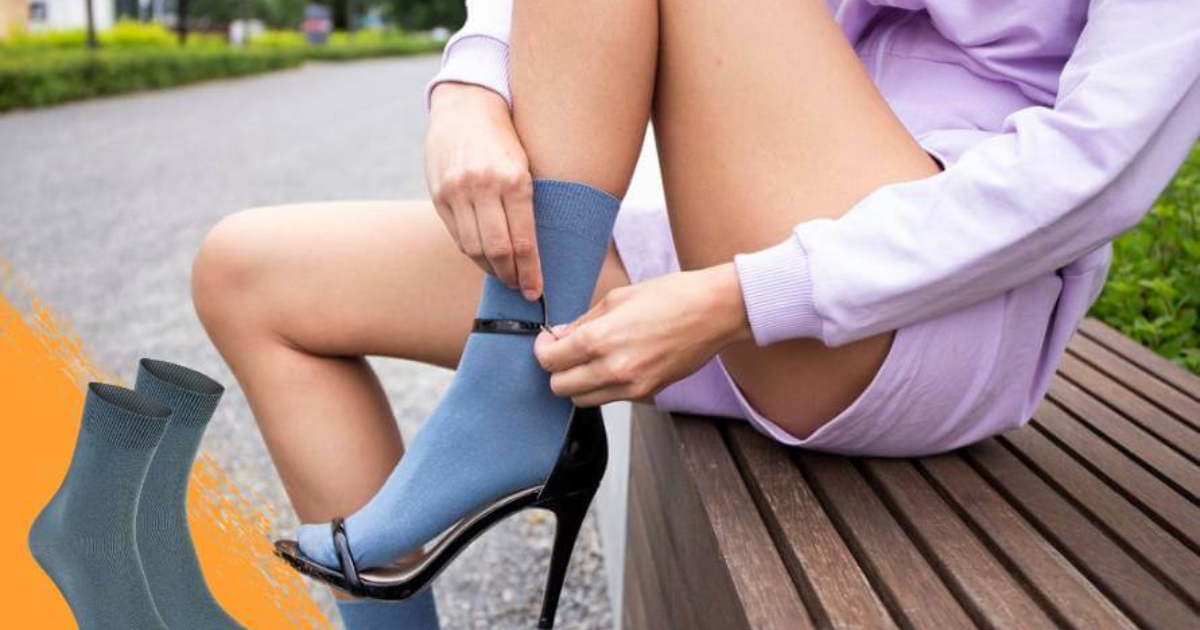
    Crew socks are a type of sock that extends up to the mid-calf. They are known for their versatile length, which makes them a staple in many wardrobes. Unlike ankle socks, which end just above the ankle, or knee-high socks that reach all the way up to the knee, crew socks hit right in the middle. This makes them an excellent option for various occasions and outfits.

    Design and Features

    Crew socks come in a range of styles, colours, and materials, but they typically share some standard features:

    • Length: As mentioned, crew socks extend to the mid-calf. This length provides ample coverage and warmth, especially in cooler weather.
    • Cuff: Crew socks usually have a ribbed or elasticised cuff at the top to help them stay in place. This prevents them from slipping down during wear.
    • Material: They can be made from various materials, including cotton, wool, synthetic fibres, or blends. Cotton is ordinary for everyday wear, while wool is great for colder climates. Synthetic fibres, like polyester or nylon, are often used for athletic crew socks due to their moisture-wicking properties.
    • Padding and Support: Some crew socks come with additional padding or cushioning in the heel and toe areas. This provides extra comfort and support, particularly for people who are on their feet for long periods or engage in physical activities.

    Why Wear Crew Socks?

    Crew socks offer several benefits that make them a popular choice among many:

    • Versatility: Crew socks are incredibly versatile. They can be worn with jeans, shorts, skirts, or even underdress pants. Their length makes them suitable for both casual and formal outfits.
    • Comfort: The mid-calf length provides a comfortable fit without being too short or too long. The additional cushioning and padding found in some crew socks add to the overall comfort, making them a good option for all-day wear.
    • Warmth: Crew socks provide more coverage than ankle socks, which helps keep your legs warmer in cooler weather. This makes them a great choice for autumn and winter.
    • Support: Many crew socks offer extra support in the arch and heel areas. This can be beneficial for people who experience foot fatigue or have specific foot health needs.
    • Durability: The materials used in crew socks are often designed to withstand regular wear and tear. High-quality crew socks can last longer than thinner or lower-quality options.

    How Do Crew Socks Compare to Other Types?

    Crew socks are just one of many types of socks available. Here’s how they stack up against some other popular styles:

    • Ankle Socks: Ankle socks end just above the ankle. They’re great for warmer weather and are often worn with sneakers or casual shoes. However, they don’t provide as much coverage or warmth as crew socks.
    • Knee-High Socks: Knee-high socks extend all the way up to the knee. They offer more coverage and warmth than crew socks and are often worn with skirts or dresses. However, they might be less comfortable for daily wear due to their length.
    • No-Show Socks: These socks are designed to be hidden inside shoes. They’re a good option if you want the appearance of wearing no socks at all. However, they don’t provide the same level of coverage or support as crew socks.

    Choosing the Right Crew Socks

    When selecting crew socks, consider the following factors to find the best pair for your needs:

    • Material: Choose a material that suits your needs. Cotton is excellent for everyday wear, while wool is ideal for colder weather. If you’re looking for athletic socks, opt for moisture-wicking materials like polyester.
    • Fit: Make sure the crew socks fit well. They should be snug but not too tight. Check the size chart provided by the manufacturer to ensure you choose the correct size.
    • Style: Crew socks come in various styles, from solid colours to patterns and prints. Select a style that complements your wardrobe and personal taste.
    • Purpose: Think about how you’ll be wearing the socks. For sports or physical activities, look for crew socks with added cushioning and support. For everyday wear, comfort and durability are critical.

    Care Tips

    To keep your crew socks in good condition, follow these care tips:

    • Wash in Cold Water: Use cold water to wash your crew socks to prevent shrinking and fading.
    • Avoid Bleach: Bleach can damage the fibers of your socks and cause them to wear out more quickly. Stick to gentle detergents.
    • Air Dry: Whenever possible, air dry your crew socks to maintain their shape and elasticity. Avoid using high heat in the dryer, as it can cause shrinkage.
    • Store Properly: Store your crew socks in a dry, cool place to keep them fresh and in good condition.

    Conclusion

    Crew socks are a versatile and comfortable choice for anyone looking to add a practical yet stylish option to their wardrobe. With their mid-calf length, various materials, and multiple benefits, they are well-suited for a range of activities and outfits. Whether you’re dressing up for a formal event or heading out for a casual day, crew socks can provide the right mix of comfort, support, and style.

    So, next time you’re shopping for socks, consider adding a few pairs of crew socks to your collection. They might just become your new favorite!